

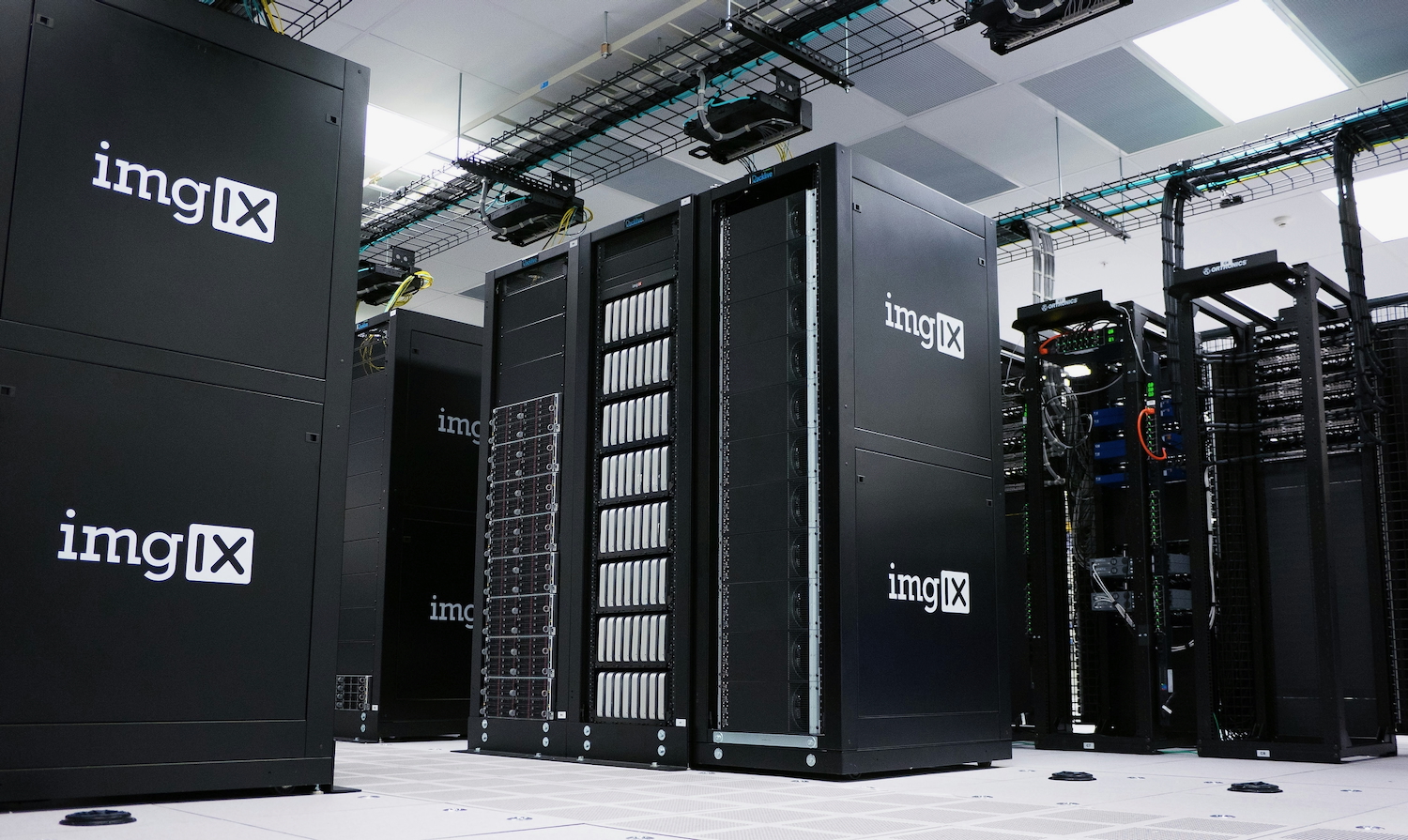


As organizations scale, infrastructure stops being a background utility and becomes a strategic growth lever. Expanding workloads, compliance obligations, and performance expectations introduce complexity that shared environments or fragmented cloud deployments often struggle to manage. Many technology leaders are revisiting the role of an Australia-based dedicated server approach to regain predictability, control, and performance consistency.
For enterprises operating in or targeting the region, Australian dedicated server solutions offer an alternative to rising cloud costs and multi-tenant performance variability. Bare metal infrastructure provides direct hardware access, stable throughput, and clearer compliance alignment, all critical for modern enterprise infrastructure supporting growth.
Why Dedicated Servers Still Matter in 2026?
Despite the dominance of hyperscale cloud platforms, dedicated servers remain highly relevant for enterprises with steady workloads, regulatory exposure, or performance-sensitive applications.
Several trends are driving this reconsideration:
- Cloud cost unpredictability due to egress fees, scaling spikes, and resource fragmentation
- Performance inconsistency in shared environments impacting customer experience
- Data sovereignty Australia requirements for regulated industries
- Increased adoption of hybrid infrastructure combining cloud agility with physical control
A bare metal server environment eliminates noisy neighbours and virtualisation overhead, enabling consistent throughput for mission-critical workloads such as financial platforms, SaaS products, AI inference pipelines, and enterprise applications.
Rather than replacing cloud entirely, dedicated infrastructure is increasingly used as a stability anchor within broader architecture strategies.
Core Evaluation Criteria for Dedicated Server Australia Providers
Selecting the right dedicated server provider in Australia requires more than comparing hardware specs. Enterprise leaders must evaluate resilience, compliance alignment, network architecture, and long-term scalability within the regulatory and performance landscape of Australia. The goal is to ensure infrastructure supports growth without introducing operational or financial risk.
What Enterprise Leaders Must Evaluate Before Signing?
Selecting a provider involves more than hardware specifications. Infrastructure decisions directly impact risk exposure, operational continuity, and long-term cost efficiency.
1. Data Sovereignty & Compliance
For organizations operating under regulatory frameworks, data location matters.
Key considerations:
- Physical hosting within Australian jurisdiction
- Compliance with industry standards and audit frameworks
- Transparent data handling policies
- Alignment with internal governance requirements
Local hosting strengthens compliance posture and reduces legal ambiguity around cross-border data transfers.
2. Facility & Hardware Resilience
Enterprise uptime depends heavily on the physical environment.
Look for providers operating in tier III facilities or higher with:
- Dual power feeds and redundant power supply systems
- Advanced cooling and environmental monitoring
- Hot swappable drives for maintenance without downtime
- Enterprise-grade raid storage configurations
- Hardware redundancy for high availability
Infrastructure resilience directly affects business continuity planning and disaster recovery readiness.
3. Network Architecture & Connectivity
Network design is often underestimated but critically important for performance.
Evaluation factors include:
- Multiple ip transit providers for redundancy
- Intelligent BGP (Border Gateway Protocol) routing for traffic optimisation
- Carrier neutrality enabling flexible connectivity options
- High-capacity backbone with bandwidth allocation guarantees
- Proven low latency network performance across regions
Enterprises serving APAC customers especially benefit from geographically optimized connectivity and reduced latency variance.
4. Security & Risk Mitigation
Security posture must extend beyond software layers into infrastructure design.
Important features:
- Built-in ddos mitigation capabilities
- Advanced firewall protection
- Segmented private networking environments
- Physical access controls and monitoring
- Secure provisioning processes
A properly designed secure hosting environment reduces attack when it surfaces and operational risk.
Performance Architecture for High-Growth Enterprises
High-growth organizations require infrastructure that scales without introducing instability.
Dedicated infrastructure enables:
- Direct access to NVME drives for ultra-fast storage throughput
- Custom CPU and RAM configurations aligned with workload profiles
- Predictable IOPS and network performance
- Controlled server virtualization layers when needed
- Optimized resource allocation for application tiers
Many enterprises adopt a hybrid model where baseline workloads run on a dedicated server while elastic bursts extend into cloud environments. This approach creates a balance between performance certainty and scalable flexibility.
Dedicated vs Cloud-Only Strategy
Dedicated Infrastructure vs Pure Cloud: A Practical View
Both models have advantages. Strategic alignment depends on workload characteristics and financial priorities.
Dedicated Server Strengths
- Predictable long-term cost structure
- Performance consistency without resource contention
- Hardware-level control and customisation
- Stronger compliance alignment for regulated industries
- Ideal for steady-state or continuously running workloads
Cloud Strengths
- Rapid provisioning and experimentation
- Elastic scaling during demand spikes
- Global availability zones
- Managed services ecosystem
Hybrid Model (Increasingly Common)
- Dedicated infrastructure for core systems
- Cloud for burst capacity and innovation layers
- Improved cost optimisation
- Reduced vendor lock-in risk
For many enterprises, hybrid architecture represents the most practical evolution path rather than choosing a single model.
Financial Considerations Beyond Monthly Pricing
Total Cost of Ownership (TCO) Thinking
Infrastructure decisions should never be evaluated purely on monthly fees.
Enterprise leaders should consider:
| Cost Factor | Dedicated Infrastructure Impact |
| Hardware utilisation efficiency | Higher control reduces waste |
| Cloud egress fees | Often eliminated |
| Performance overhead | Minimal compared to shared environments |
| Operational predictability | Stronger budgeting accuracy |
| Downtime risk | Lower with SLA-backed infrastructure |
| Compliance costs | Reduced due to data locality |
While dedicated server hosting may appear higher upfront, total cost of ownership frequently becomes favourable over multi-year horizons, especially for stable workloads.
As infrastructure planning becomes more strategic, enterprise leaders are also expanding evaluation criteria beyond performance and cost alone. Energy efficiency, hardware lifecycle optimisation, and long-term environmental impact are increasingly influencing procurement decisions—particularly for organisations with ESG mandates or sustainability reporting requirements. Modern bare metal environments can now be deployed through energy-optimised infrastructure programs designed to extend hardware lifespan and reduce resource waste.
For enterprises seeking to achieve a strong and predictable performance for a more affordable price, the solutions such as OVHcloud’s eco dedicated server might be the perfect fit in the dedicated server strategy.
This shift reflects a broader evolution in infrastructure decision-making, where resilience, financial predictability, and environmental accountability intersect.
Enterprise Checklist for Choosing the Right Dedicated Server Hosting
Before finalising a provider, decision-makers should validate the following:
- Facility certification level and uptime guarantees
- Network redundancy and latency benchmarks
- Hardware refresh cycles and upgrade flexibility
- SLA clarity with measurable performance commitments
- Security controls and compliance documentation
- Availability of managed support services
- Scalability options for future growth
- Integration compatibility with existing cloud environments
- Transparent pricing without hidden bandwidth charges
- Proven experience supporting enterprise clients
This structured evaluation reduces procurement risk and supports long-term infrastructure stability.
Conclusion
Infrastructure strategy directly influences business agility, risk exposure, and profitability. As organizations mature, reliance on purely shared or cloud environments can introduce cost volatility and performance uncertainty that hinder growth.
Dedicated server solutions in Australia offer a compelling balance of control, predictability, and performance, particularly for enterprises managing sensitive data, steady workloads, or compliance obligations. When integrated thoughtfully into a hybrid architecture, dedicated infrastructure becomes not just a hosting choice, but a strategic asset.
For CTOs, CIOs, and infrastructure leaders, the key decision is not whether dedicated infrastructure is outdated, but where it fits most effectively within the organisation’s future architecture roadmap.
